A purely ornamental botanical garden was mainly reserved for the well-to-do families. It primarily underscored their wealth and erudition at first.
Many of these botanical collections and parks were developed from the 2nd half of the 19th century from the vision and with the ideals of agricultural progress and industry. António Borges was one of the main founders of Azorian garden architecture developed at that time, with a distinctly organic visual language.
“Many of these botanical collections and parks were developed from the 2nd half of the 19th century from the vision and with the ideals of agricultural progress and industry. “
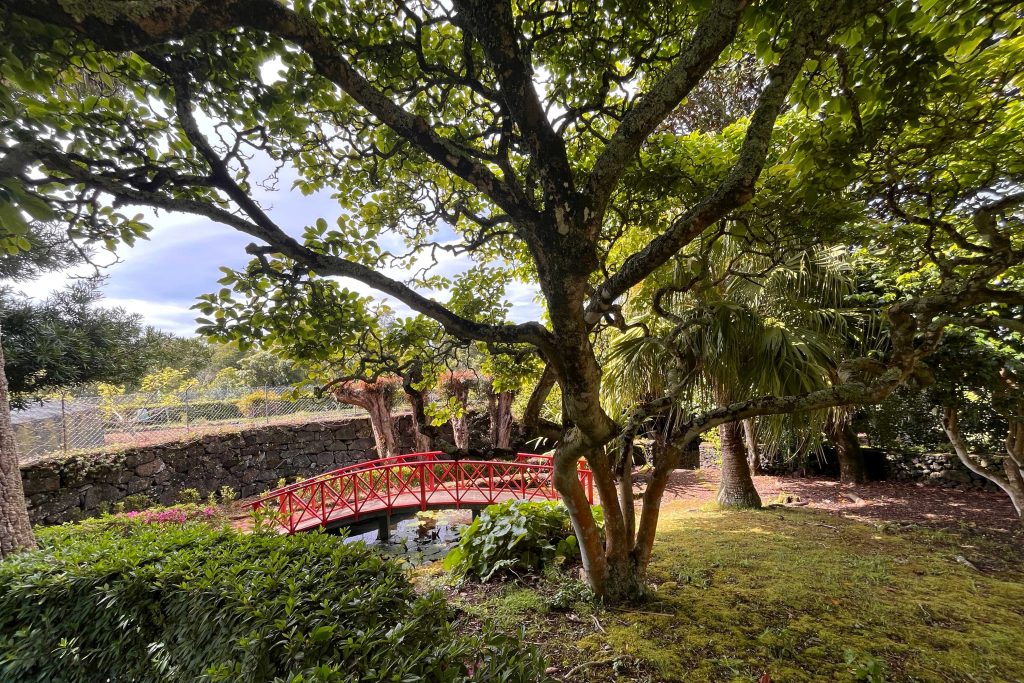
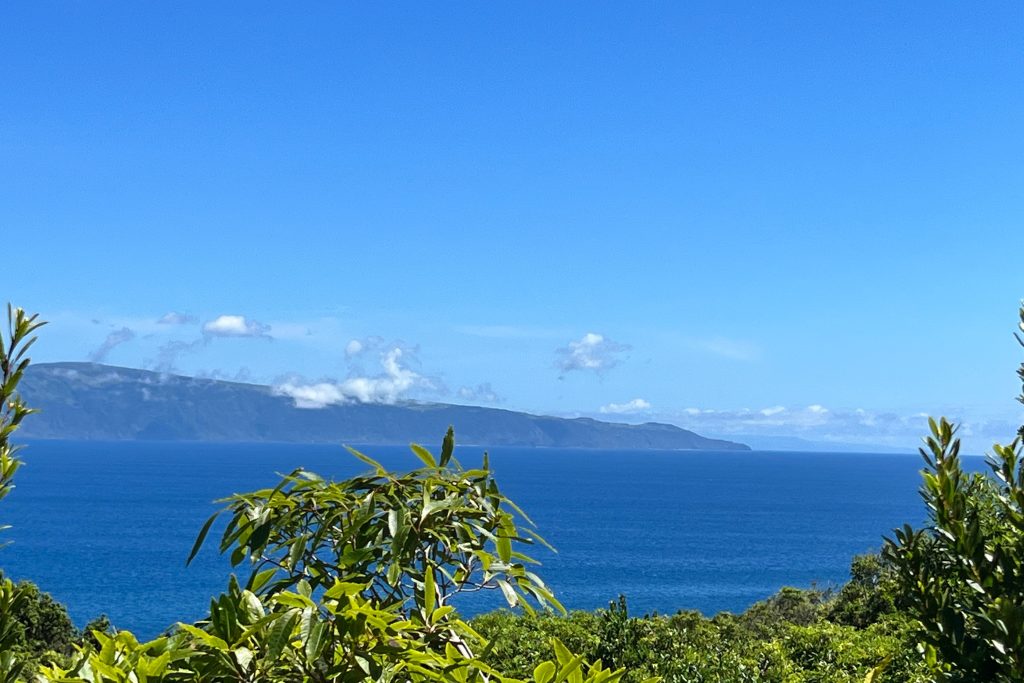
A legacy that you can still find in some of these botanical and rock gardens with its preference for natural forms. Parks with ponds, winding paths and, given their location, often stunning vistas.
There are at least a dozen smaller to medium-sized historic gardens, farms, parks and forests to visit throughout the various islands, São Miguel, Terceira, Faial and Pico. Now largely with conservation objectives due to its exceptional landscape, botanical and ecological diversity.
As a result of this cultural movement, incidentally, the general knowledge and skill of gardening and ornamental cultivation also broadened on the islands, which in turn also influenced a further dynamization of (commercial) agriculture. It was also these distinguished families who initiated the establishment of a tea plantation, among other things. It still is the only place in the EU where tea is grown. Meanwhile, coffee plantations have also been established on various islands.