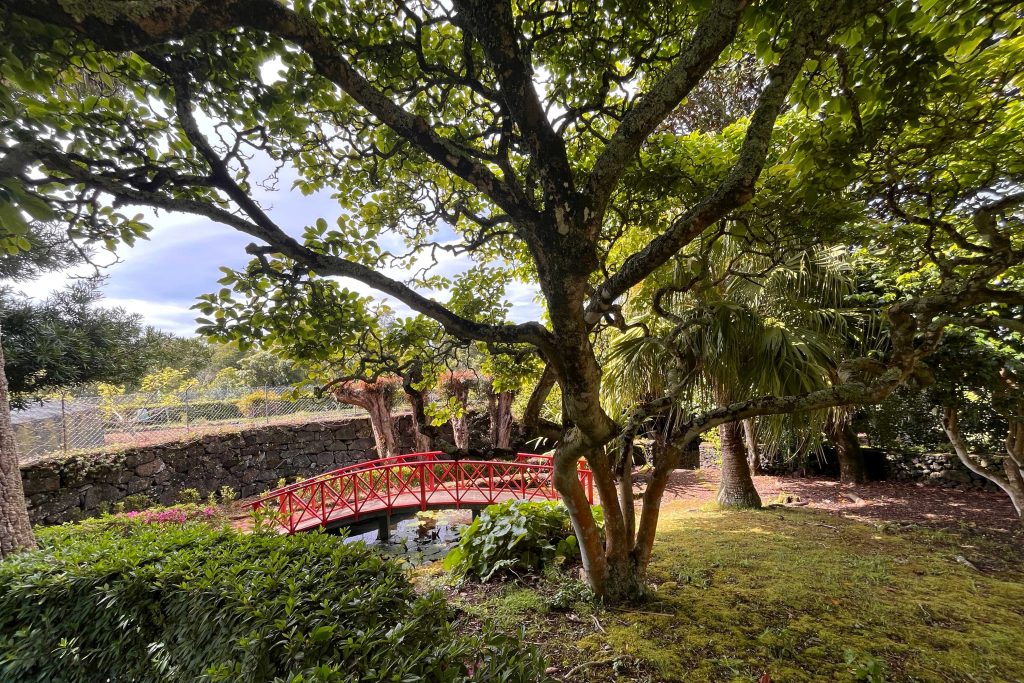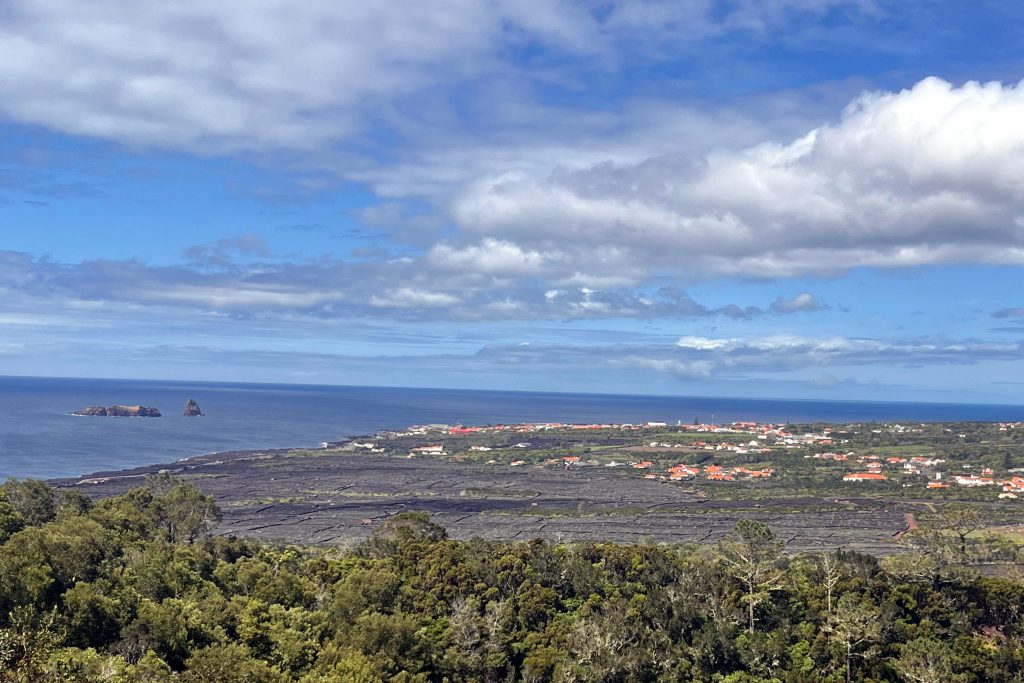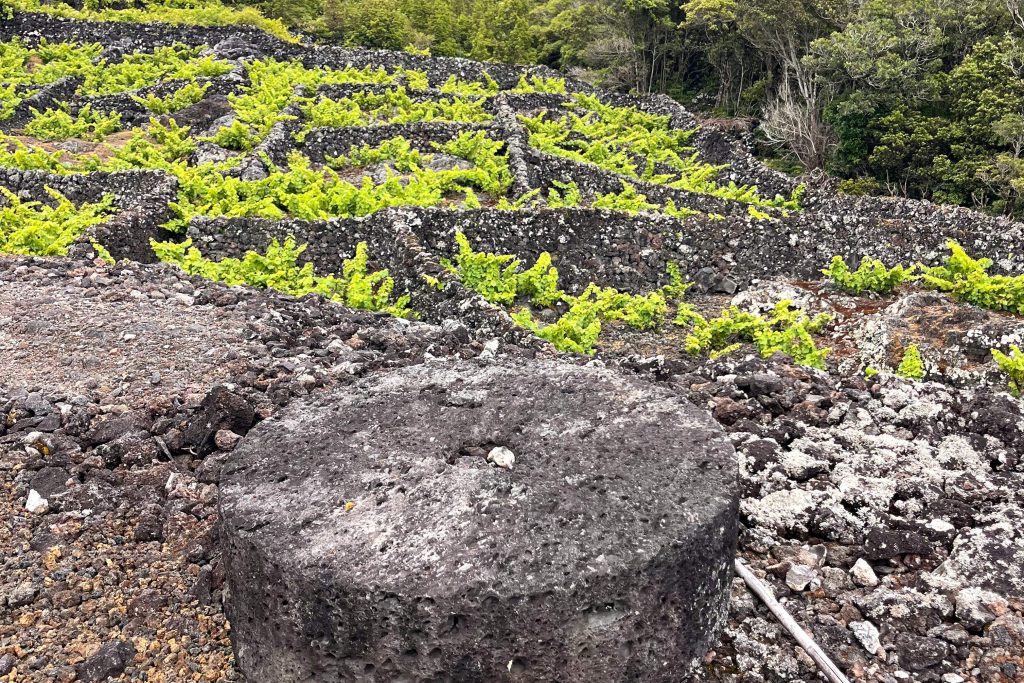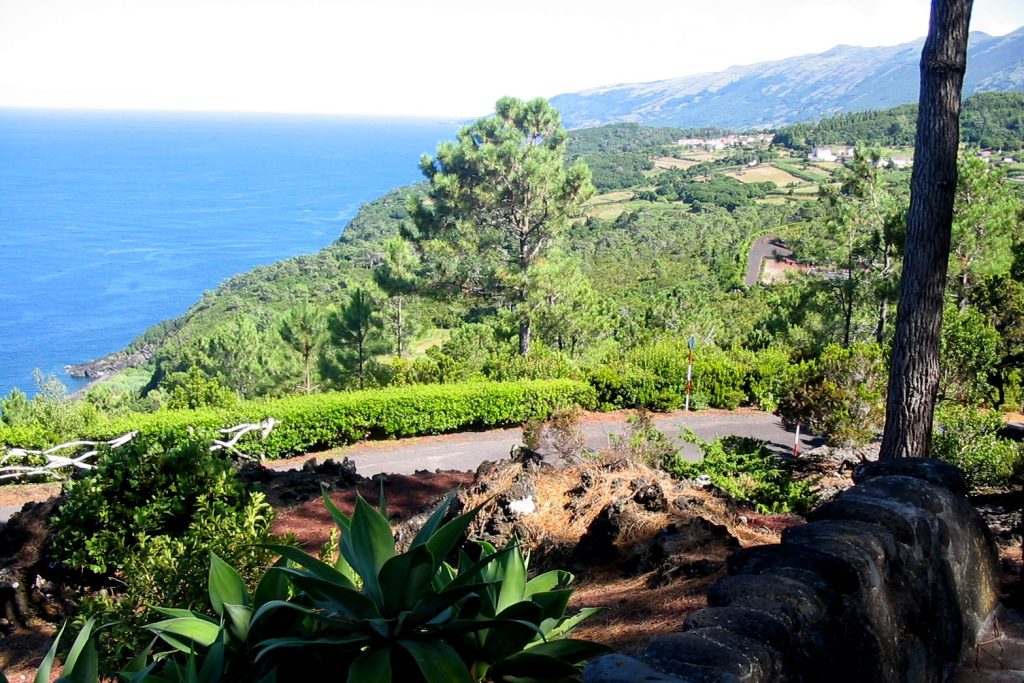

When the islands were (re)discovered by Portuguese and Flemish sailors in the mid-15th century, trade and agriculture were developed fairly quickly. The further development of villages and towns also went hand in hand with the establishment of parks, vegetable gardens and estates with mostly combined agriculture and cattle breeding. From the early days, all kinds of plants and trees from other corners of the world were actively imported and planted.
“The Azores could serve as a substitute for exotic products. From the early days, all kinds of plants and trees from other corners of the world were actively imported and planted. “

This was done primarily for economic interests, whether the Azores could serve as a substitute for exotic products. This could include the introduction of then highly valuable agricultural crops such as pepper, cloves, tea, coffee, bananas and pineapples, among others. Likewise, useful trees were introduced such as Japanese cedar (Cryptomeria Japonica).

On the other hand, special species were also introduced to highlight the wealth and skill of the garden owner. Some of these exotic species, such as the Kahili (Hedychium Gardnerianum), a non-consumable plant from the ginger family, feel so at home here that they are now a threat to native vegetation.
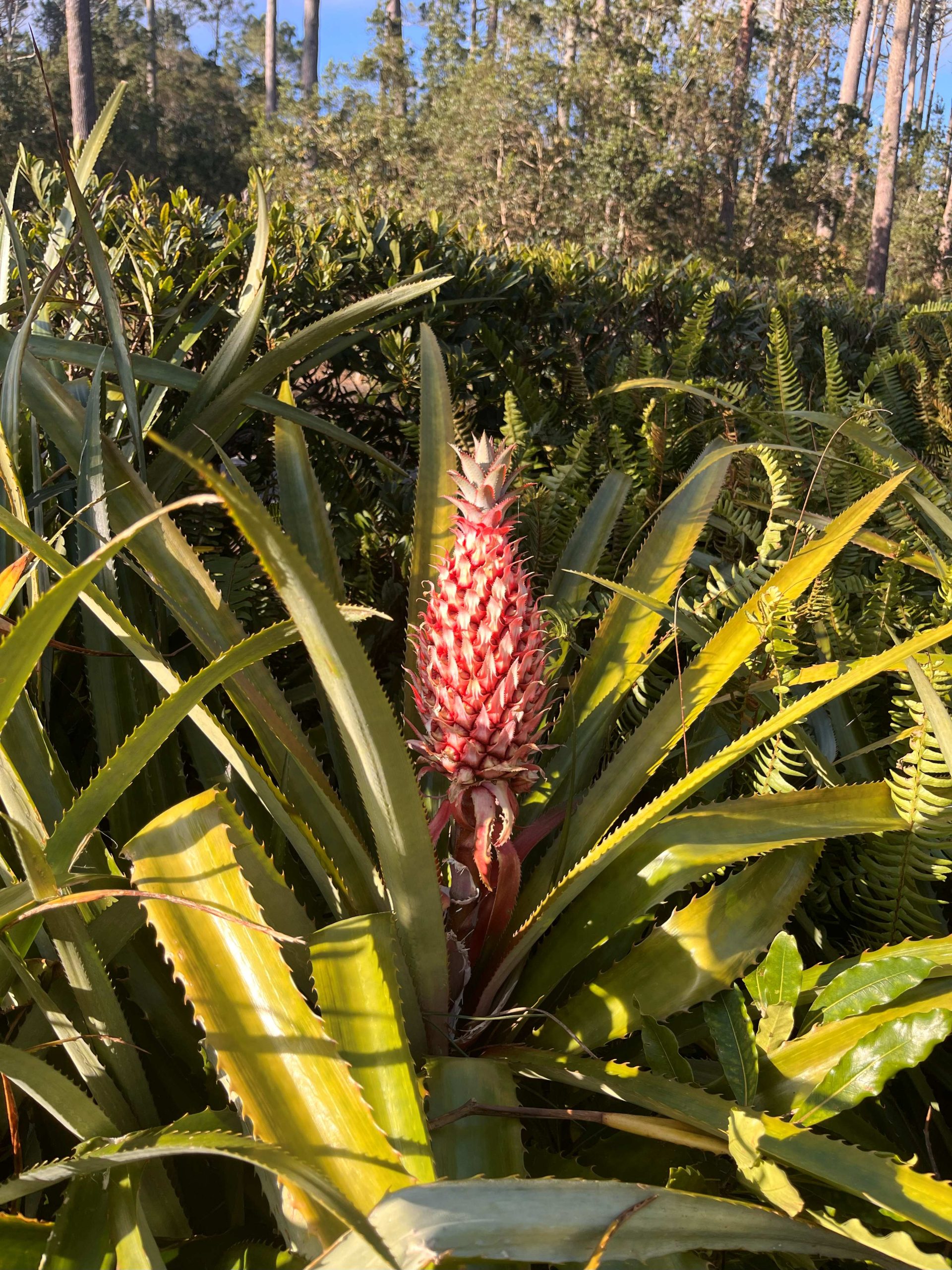
Pineapple is still grown (in greenhouses), and good quality tea is produced on some southern slopes. You can find apples and cherries, and in some limited places also olives are grown, but more generally the Azores are too wet for these trees, as they are lovers of dry feet, so the microclimate really has to be appropriate for this.
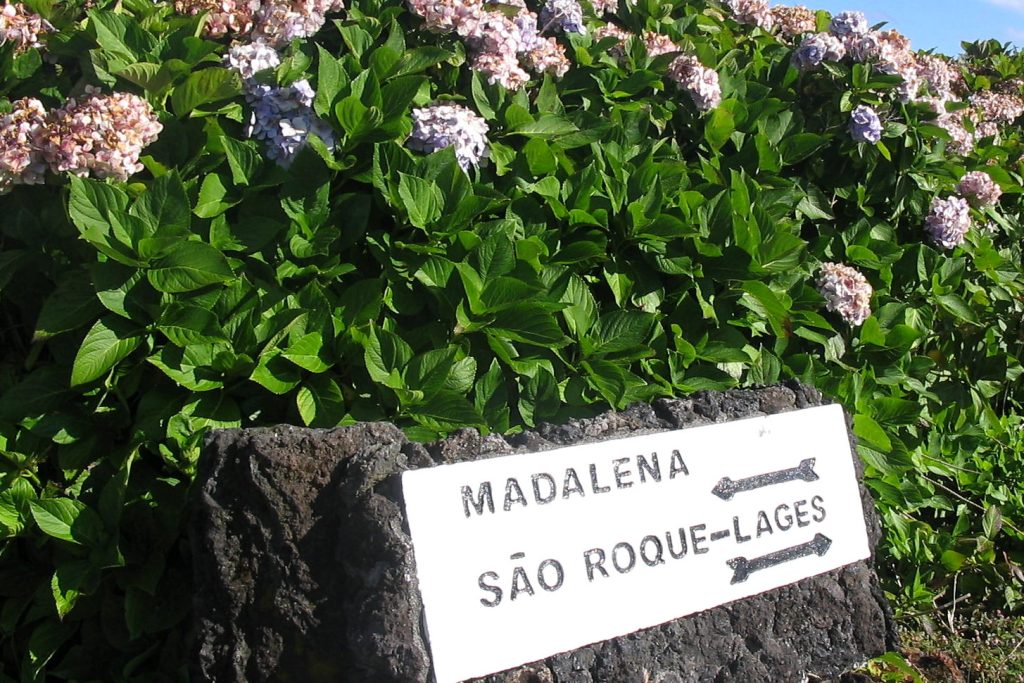
Also, the Hydrangea (Hydrangea Macrophylla), is an exotic with origins in East Asia.